BTR


Fire Doors
Oct 2026
Golden Thread Compliance: How Product Installation Apps Support Building Safety Records

BTR
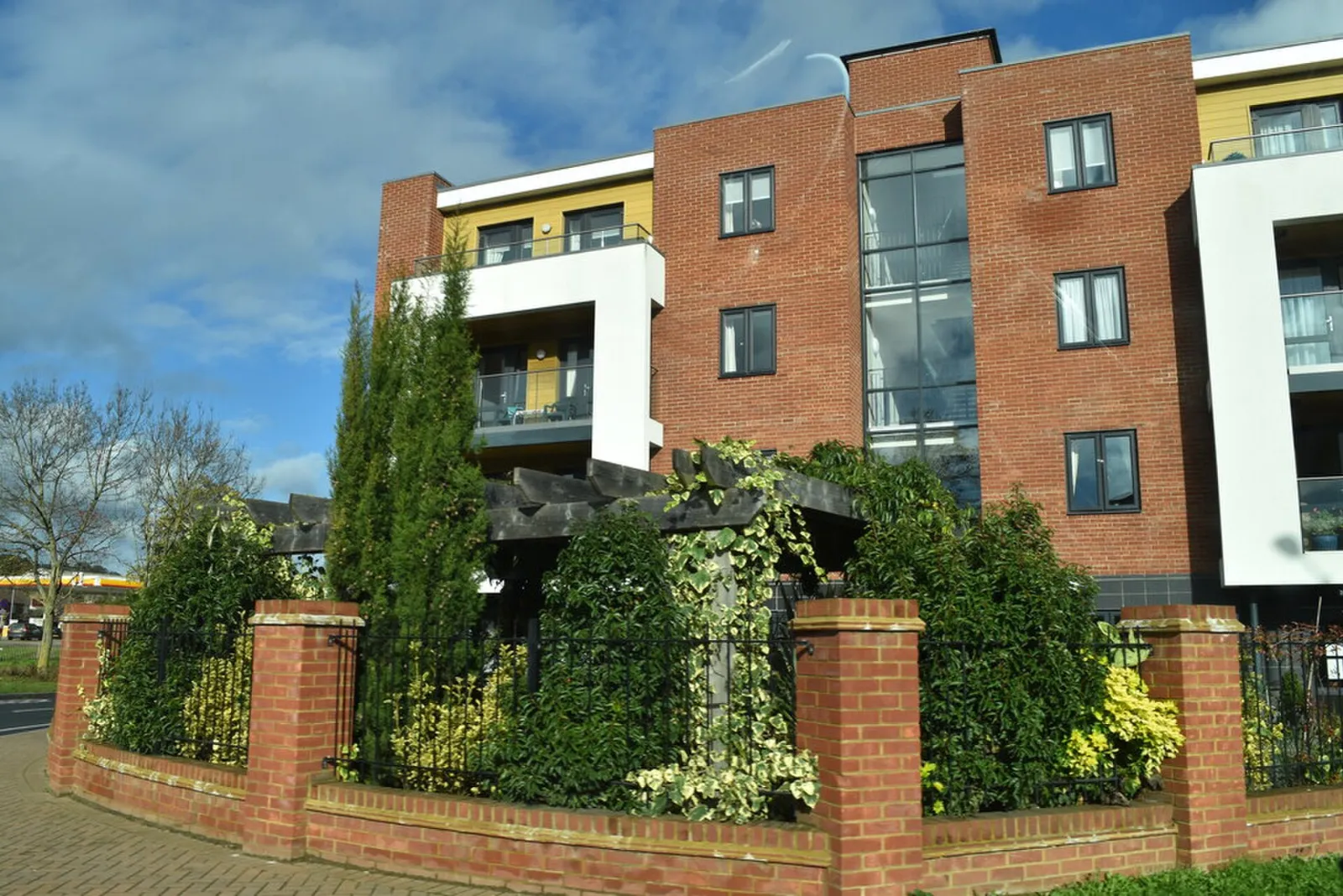
Build to Rent is a maturing asset class, and the metrics that differentiate high-performing portfolios from average ones are becoming clearer.
This finding has significant implications for operators, asset managers, and investors across the BTR sector. Simetria supplies and installs furniture packages for BTR properties, linking specification with practical delivery.
If management quality directly influences rental rates, then the question shifts from whether to invest in management capability to how to structure, resource, and measure management performance to maximise rental yield and tenant retention.
Recent analysis shows a direct and measurable relationship between management quality and rental performance, with professionally managed BTR schemes commanding higher rents than comparable properties operated with lower standards of management practice.
The correlation between management quality and rental rates is not theoretical. Properties demonstrating consistent adherence to operational standards, effective maintenance programmes, responsive complaint handling, and professional tenant communication may support stronger tenant satisfaction and operational performance compared to peer properties in the same geographic market.
The difference is often 5-10 per cent or more, depending on the specific operational factors involved.
Management quality encompasses several interconnected elements. These include proactive maintenance delivery with rapid response to reported faults, clear and responsive communication with residents, consistent enforcement of lease terms, professional appearance and upkeep of communal areas, and structured collection and resolution of resident feedback.
Properties where these practices are visible and consistent attract and retain tenants more effectively, which in turn supports rental rate growth.
Conversely, BTR schemes where management is reactive, understaffed, or inconsistent in execution tend to experience higher void rates, lower tenant retention, and difficulty achieving rental growth.
Tenants in multi-unit BTR schemes are often trading off traditional landlord-tenant relationships for the expectation of professional, responsive management; when that expectation is not met, satisfaction falls and churn rises.
Unlike traditional private rental properties, BTR schemes are purpose-built, multi-unit residential communities with high-touch tenant populations and complex shared facilities. A gym, cinema, co-working space, or communal kitchen requires active management and regular maintenance. Security systems, entry controls, and emergency procedures must be professionally administered.
Resident complaints cannot be deferred or handled casually; they must be logged, tracked, and resolved to a consistent standard. Tenants choosing BTR are often young professionals, relocating workers, or students renting as part of a cohort. They expect professional customer-service-standard management as part of the rental experience. When a heating fault is reported, they expect rapid acknowledgement and repair scheduling, not a days-long silence.
When they have a question about their lease or building facilities, they expect accessible, knowledgeable staff, not vague or delayed responses. This expectation gap between what tenants want and what some operators deliver creates both a risk and an opportunity. Properties that close the gap may achieve higher satisfaction scores and more effective operational performance.
Properties that widen the gap may experience higher tenant churn and operational challenges.
The financial implications are substantial. Consider a 250-unit BTR scheme where improved management practices may support operational benefits including reduced vacancy periods and improved resident retention. The impact on annual rental income and portfolio stability is measurable and significant. Simetria coordinates furniture package installation around occupied BTR buildings to manage resident disruption during works.
Beyond direct rental income, management quality affects capital value. Institutional investors evaluating BTR assets now factor in management capability, track record, and systems maturity as part of their valuation process.
A well-managed, operationally transparent scheme with robust compliance and responsive management practices commands a premium valuation relative to a comparable scheme with weaker operational standards.
For operators seeking to improve management quality, the priority is clarity on what matters most. This means defining a minimum operational standard across key areas: maintenance response times, complaints handling procedures, staff training and turnover, communal area presentation, resident communication protocols, and compliance tracking.
It means establishing measurable KPIs and reviewing them regularly.
It also means ensuring that management teams are resourced appropriately and supported with systems and tools that allow them to work efficiently. An understaffed management office with outdated systems cannot deliver professional service, regardless of effort or intent.
Technology solutions for maintenance scheduling, tenant communication, and compliance recording are now standard in well-run BTR schemes.
For multi-site operators, consistency across the portfolio is equally important. Tenants often compare their experience at one property against another, and inconsistency in service standards damages reputation and creates unnecessary friction.
As the BTR sector matures and investor appetite grows, management quality will likely become an even sharper differentiator. Operators who invest deliberately in management infrastructure, systems, and training will increasingly capture rental premiums and institutional investment, while those who treat management as a cost to be minimised will face growing commercial pressure.
The evidence is clear: in Build to Rent, how you operate matters as much as what you build. Management quality is not a peripheral operational issue; it is a core commercial driver.
For asset managers and operators reviewing their portfolio strategy, that distinction is worth acting on. Management quality remains relevant to operational planning and long-term property performance.
Contact The Team
Select what applies. We'll show relevant experience and get you talking to the right person
Select your option
(multiple select is available)