Hotels

Fire Doors
Oct 2026
Golden Thread Compliance: How Product Installation Apps Support Building Safety Records

Hotels
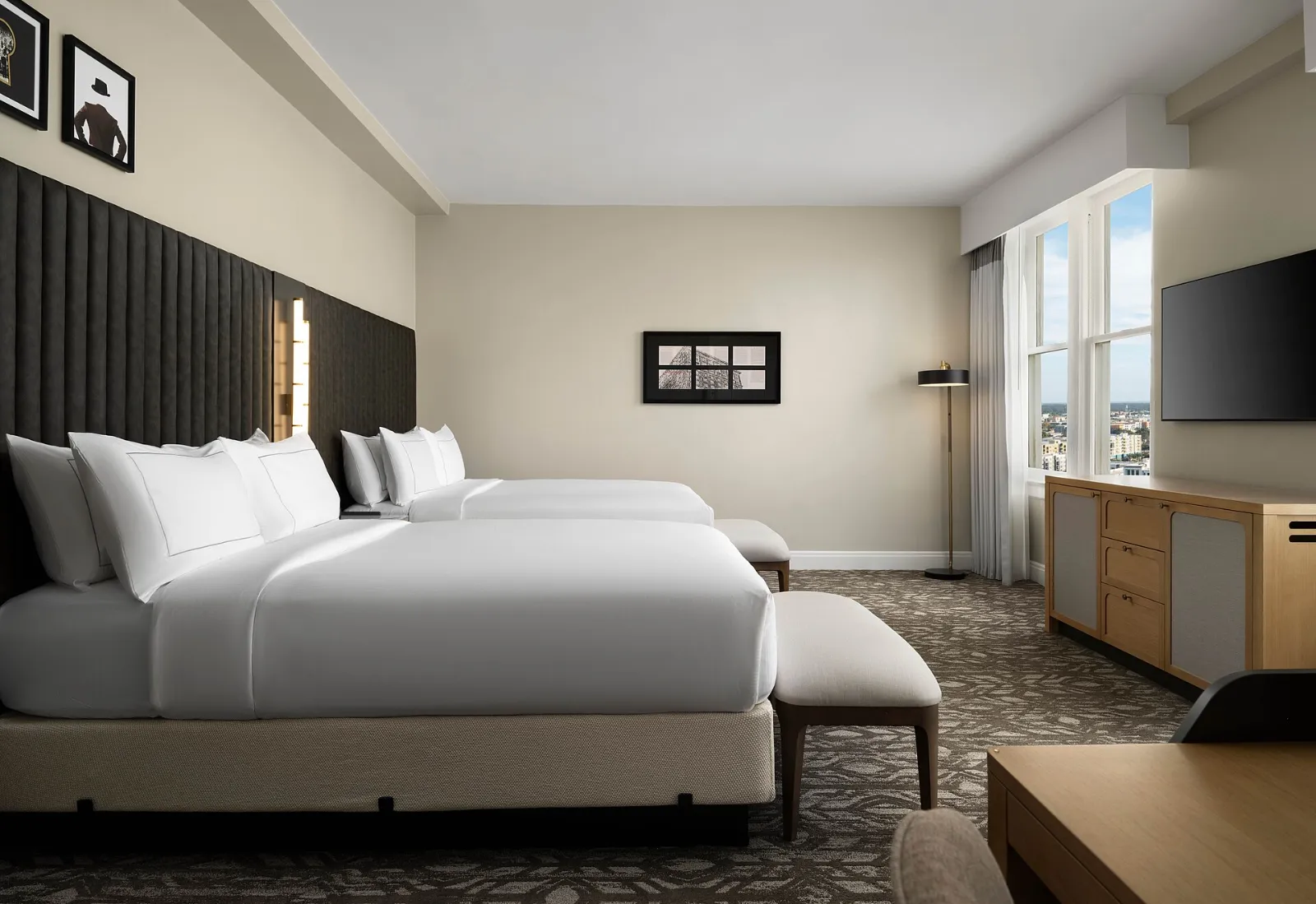
Hotel design and material specification work in tandem to define the character and performance of a hospitality property.
The choices made during the design phase, from the colour palette and lighting strategy to the selection of flooring, wall finishes, and furnishings, directly influence guest perception, operational efficiency, and the building's longevity.
Successful hotel projects begin with a clear design vision that responds to the property's context and brand positioning. This vision then drives material specification. A coastal hotel, for example, may prioritise materials that respond to natural light, sea air, and changing weather conditions.
The architect and interior designer work collaboratively to translate conceptual direction into tangible material choices: which metals will resist corrosion, which fabrics suit the climate, which finishes will age gracefully in a demanding environment.
This integration of vision and practicality is not incidental; it is central to delivering a hotel that performs well operationally while maintaining the intended aesthetic. When design intent and material reality are misaligned, the result is aesthetic compromise, performance failure, or both.
Material specification in hospitality requires attention to several overlapping concerns. Durability is non-negotiable; hotel spaces endure heavy use, frequent cleaning, and exposure to moisture, sunlight, and temperature fluctuation. Aesthetic consistency matters because guests form impressions of quality based on how surfaces look and feel.
Maintenance demand affects operational cost; some materials require specialist cleaning or regular refinishing, while others are designed for minimal intervention. Fire safety is an important part of hotel material specification.
Soft furnishings, upholstery, curtains and finishes should be specified to meet the applicable fire-safety requirements for the project and premises, taking account of material type, location, building design and fire strategy. For property operators, understanding these trade-offs is essential. Simetria coordinates fire door works and furniture packages within hotel refurbishment and fit-out programmes.
A luxurious-looking material that requires constant maintenance or that does not meet fire safety requirements is ultimately a liability. Conversely, a highly durable material that looks institutional will not deliver the experience guests expect.
The most cohesive hotels are those where architectural and interior design work from a unified brief. When an architect designs the structural form and spatial envelope, and an interior designer then specifies furnishings and finishes, the two disciplines must share the same design language.
Material choices should reinforce the architectural narrative, not contradict it. Colour, texture, and materiality become tools for creating consistency across lobbies, corridors, guest rooms, and amenity spaces.
This is particularly important in branded hotel chains, where design consistency across multiple properties supports brand recognition. Yet it is equally valuable in independent or boutique hotels, where a distinctive material palette creates a memorable, coherent guest experience.
Increasingly, hotel operators are incorporating sustainability into material specification. This includes selecting materials with lower environmental impact, specifying durable options that reduce replacement frequency, and choosing finishes that support long-term operational efficiency, for example, materials that enhance natural light or regulate temperature naturally.
Sustainability in material specification is not solely an environmental concern; it also reflects guest expectations and operational economics. A durable, maintainable material may support lower lifecycle costs over time, although the outcome depends on specification, maintenance requirements, replacement cycles and operating conditions.
Fire safety is a non-negotiable component of hotel material specification. Soft furnishings, upholstery, curtains and finishes should be specified to meet the applicable fire-safety requirements for the project and premises, taking account of material type, location, building design and fire strategy.
For UK hotels, the relevant requirements should be confirmed for the specific project and premises rather than assumed to be identical across every property. Many operators work with contractors and suppliers who can help assess whether specified materials meet the applicable project requirements.
Integrating fire safety into the specification process from the outset, rather than treating it as a compliance checkbox at the end, ensures that aesthetic and functional requirements are met without compromise.
Thoughtful design and material specification should create a space that delights guests on arrival, performs reliably through years of operation, and maintains its aesthetic and functional quality over time. This requires collaboration, clear communication, and specification decisions that balance vision with reality.
If you are planning a hotel refurbishment or new project and require support with fire safety compliance, integrated refurbishment services, or furniture packages, contact Simetria to discuss how we can support your project delivery.
Contact The Team
Select what applies. We'll show relevant experience and get you talking to the right person
Select your option
(multiple select is available)