Hotels

Fire Doors
Oct 2026
Golden Thread Compliance: How Product Installation Apps Support Building Safety Records

Hotels
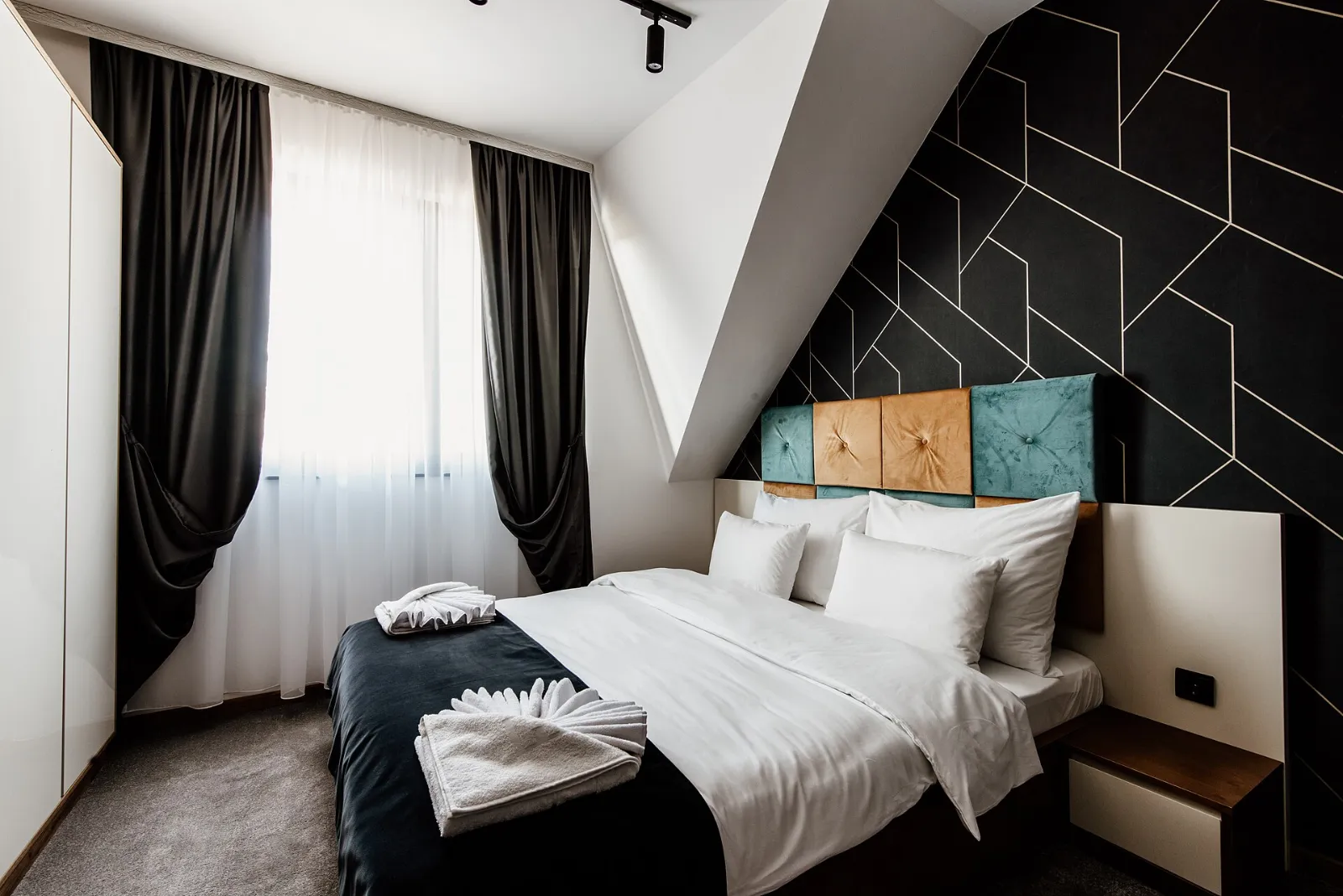
The modern hotel guest expects more than clean rooms and reliable service. They seek spaces that make them feel at home, inspire confidence, and create a sense of belonging, even during a short stay.
Emotive guest experience design is the deliberate orchestration of sensory, spatial, and material elements to create an environment where guests feel welcomed, comfortable, and engaged. This goes beyond selecting attractive finishes or arranging furniture efficiently.
It involves understanding how materials, light, colour, sound, and spatial relationships influence guest feelings when entering a room or passing through a corridor.
Wallcoverings, flooring, lighting design, and furniture selection all contribute to this experience. A guest entering a lobby notices the visual impression, the quality of light, the acoustics of the space, the texture of materials underfoot, and the overall sense of care reflected in design choices.
A bedroom balances aesthetic appeal with practical comfort, supporting both relaxation and functionality. For hotel operators, every material choice and spatial decision carries emotional weight.
A thoughtfully selected wallcovering that reflects the hotel's character, flooring that feels warm and durable, and lighting that adapts to different times of day all contribute to a cohesive, emotionally resonant experience that guests remember and value.
This shift has placed hotel guest experience design at the centre of property strategy. The physical environment is no longer simply a backdrop to hospitality; it is an active participant in how guests perceive value and quality.
Deliberate guest experience design can support differentiation and may contribute to guest satisfaction, loyalty and positive reviews, but outcomes depend on the property, service, market and execution.
When guests feel that a space was designed with their comfort in mind, the design can help reinforce the intended brand experience.
For asset managers and hotel operators, this can inform refurbishment programmes that consider experience design alongside functional upgrades. A room refresh that simply replaces worn furniture and dated finishes is less effective than one that considers how light, colour, texture, and layout work together to make a guest feel valued.
This principle applies across the entire property, from entry experience through communal areas, corridors, and guest rooms. Consistency in design language and attention to sensory detail throughout the building reinforces the emotional message that the hotel cares about the guest experience.
How guests move through a space influences their experience. Entry sequences matter: the transition from exterior to lobby should signal care and intentionality. Wayfinding should be intuitive. Corridors should feel welcoming rather than institutional. Communal areas should encourage gathering and relaxation.
Materials carry emotional signals. High-quality wallcoverings, natural textures, and durable finishes communicate investment in guest comfort. Material choices should reflect the hotel's brand identity while supporting practical durability in high-traffic and high-moisture environments.
Lighting design profoundly influences mood and comfort. Bedrooms need adaptable lighting that supports both relaxation and task needs. Public spaces benefit from layered lighting that creates atmosphere. Colour palettes should support the intended emotional tone: calming in bedrooms, energising in communal areas, welcoming in lobbies.
Sound quality directly affects perceived quality and comfort. Hotels with poor acoustic design create stress, even if guests cannot articulate why. Wall construction, soft furnishings, and finishes all influence how sound travels and lingers. This is particularly important in bedrooms and between rooms.
Guest room furniture balances aesthetic appeal with genuine functionality. A well-designed desk supports both work and relaxation. Storage should be intuitive and accessible. Seating should be comfortable and appropriately scaled.
Furniture choices should align with the hotel's brand and guest expectations without compromising durability or maintenance.
For hotels planning refurbishments, guest experience design should inform the entire brief.
This requires close collaboration between hotel operators, designers, and contractors. A refurbishment contractor who understands the hospitality sector and delivers integrated solutions, coordinating finishes, furnishings, flooring, and wall treatments under a single programme, simplifies execution and ensures consistency.
Translating experience design strategy into physical reality requires contractors experienced in hotel refurbishment and upgrade programmes. Whether upgrading individual rooms, refreshing communal areas, or undertaking comprehensive property-wide refurbishment, professional delivery ensures that design intent is realised and finished spaces perform as intended.
Hotels benefit from working with contractors who understand practical constraints of hotel operations: minimising disruption to guests, maintaining service standards during works, and coordinating multiple refurbishment elements without delays. Simetria coordinates refurbishment work carefully to keep hotel disruption minimal.
Hotel guest experience design can support competitive differentiation and guest satisfaction. By treating the physical environment as one tool for creating emotional connection, hotels may reinforce brand positioning and influence how guests perceive the property.
The key is moving beyond functional upgrading to intentional, coordinated design that considers how every space, material and detail contributes to guest perception. When executed well, this can help create properties where guests feel genuinely welcomed and valued.
If you are planning a hotel refurbishment or property upgrade, consider how experience-focused design can enhance guest satisfaction and operational performance. Simetria delivers integrated refurbishment programmes for hotel properties, coordinating design, finishes, and furniture to create cohesive, guest-focused spaces. Contact us to discuss your project.
Contact The Team
Select what applies. We'll show relevant experience and get you talking to the right person
Select your option
(multiple select is available)